Choosing a mezuzah is one of the first tangible steps you take when establishing a Jewish home. It is more than a decorative object; it is a declaration of faith, a reminder of the mitzvah to affix God’s words on the doorposts of your house. For those setting up a new household, the process can feel both meaningful and a little daunting. This guide walks you through the considerations that matter most — material, craftsmanship, design, placement, and care — so you can choose a mezuzah that feels right for your space and your story.
Understanding the Mezuzah’s Role
At its core, a mezuzah consists of two parts: the klaf, a parchment scroll inscribed with the Shema Yisrael and V’ahavta passages, and the case that protects it. The scroll must be written by a qualified scribe (sofer) according to strict halachic standards; the case, meanwhile, can vary widely in material and style. When you are choosing a mezuzah, you are selecting both the sacred text and its outward expression. The case does not affect the kosher status of the scroll, but it does reflect the values and aesthetics of the home it guards. Taking a moment to learn about the scroll’s requirements ensures you purchase from a reputable source that provides a certified klaf, giving you peace of mind that the mitzvah is fulfilled correctly.
Materials and Craftsmanship
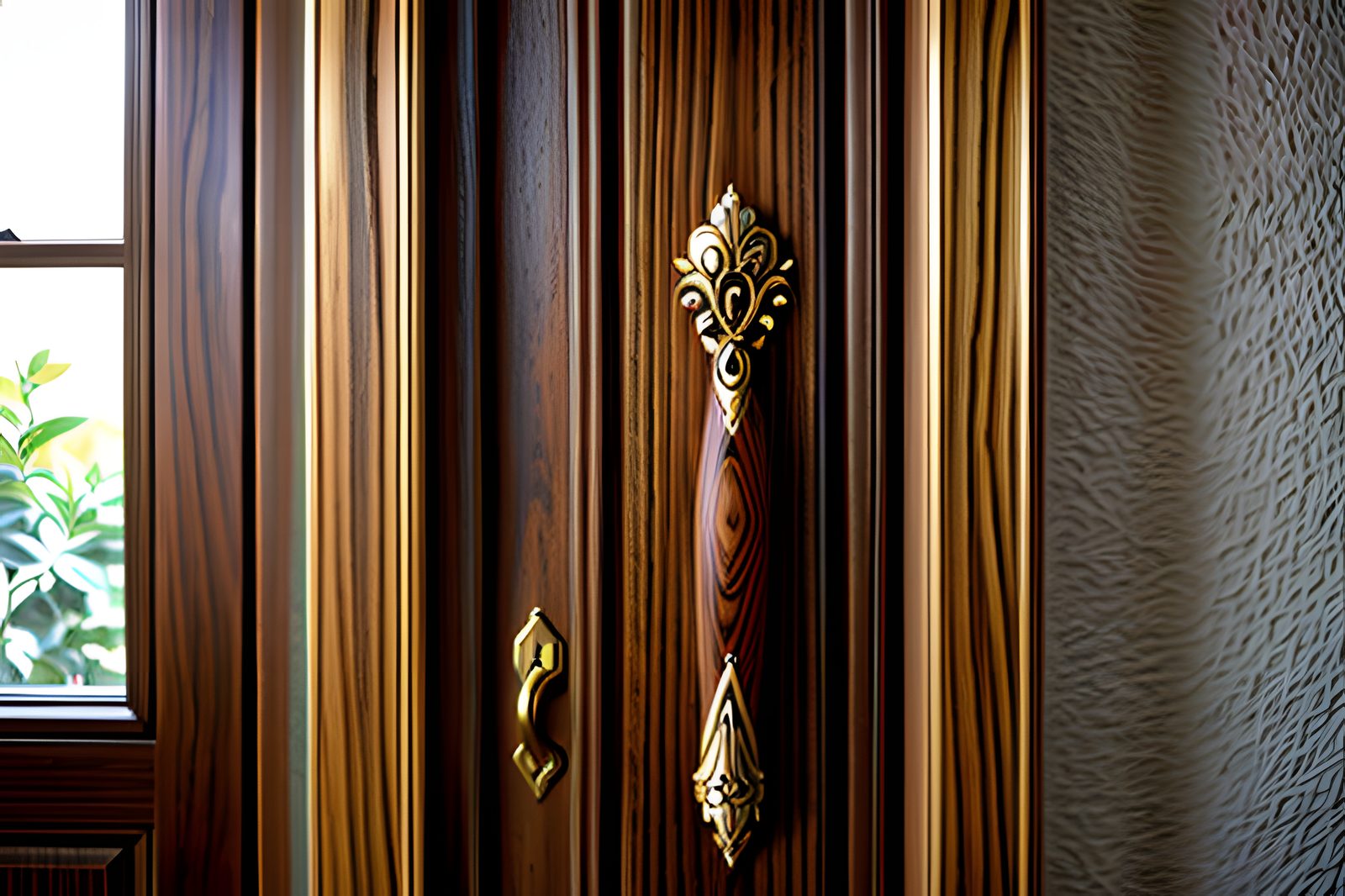
The case is where artistry meets durability. Traditional options include wood, silver, brass, and ceramic, each bringing its own texture and resonance. Wood cases — often olive, walnut, or cherry — offer a warm, organic feel that ages gracefully, developing a patina that mirrors the life of the household. Metal cases, especially silvered or brushed, convey a sense of timelessness and can be engraved with personal motifs or Hebrew lettering. Ceramic allows for vibrant glazes and intricate hand‑painted designs, making each piece unique. When evaluating craftsmanship, look for smooth finishes, secure closures, and attention to detail in any engraving or filigree. A well‑made case will protect the scroll for generations while adding a quiet touch of elegance to your doorway.
Design Styles and Symbolism
Design is where personal taste intertwines with heritage. Some families prefer minimalist cases that let the scroll’s holiness speak for itself, while others choose pieces adorned with symbols like the pomegranate (fertility), the hamsa (protection), or the Tree of Life (growth). Geometric patterns inspired by Islamic art, or motifs drawn from Eastern European folk traditions, can also reflect the diverse cultural threads of Jewish life. When choosing a mezuzah, consider what imagery resonates with your own story and the values you wish to highlight. A subtle design can blend seamlessly with a modern interior, whereas a more ornate case might become a cherished focal point in a traditional setting. Remember that the case’s purpose is to honor the scroll, so the design should enhance, not overwhelm, its sacred presence.
Where to Place It
Halacha specifies that the mezuzah be affixed to the right-hand side of the doorway as you enter, positioned at the lower third of the top third of the post — roughly at shoulder height for most adults. The case should be angled slightly inward, with the top pointing toward the room. This placement ensures the mezuzah is encountered naturally as you come and go, serving as a frequent reminder of the mitzvah. Before affixing, verify that the doorpost is clean and dry; use a strong adhesive or small nails that will not damage the case over time. If you rent or anticipate moving, removable adhesive strips designed for heavy objects can provide a secure yet non‑permanent solution. Taking care with placement not only fulfills the law but also integrates the mezuzah into the daily rhythm of your home.
Caring for Your Mezuzah
A mezuzah requires minimal maintenance, but a few simple practices preserve its beauty and integrity. Dust the case gently with a soft, dry cloth; avoid harsh chemicals that could damage finishes or engravings. If the case is metal, occasional polishing with a appropriate cloth will keep it lustrous without abrasive scrubbing. The scroll itself should never be touched directly; if you suspect any damage to the klaf, consult a qualified sofer for inspection. In humid climates, ensure the area around the doorway is well ventilated to prevent moisture buildup that could affect both case and parchment. By treating the mezuzah with respect, you extend its lifespan and keep its spiritual presence vibrant for years to come.
Buying Tips & FAQ
What should I look for in a kosher scroll? Purchase from a reputable vendor who provides a certificate of ksav (handwriting) from a recognized sofer. The letters must be fully formed, with no cracks or fading.
Can I use a non‑traditional case? Yes, as long as it securely protects the scroll and is affixed correctly. Many modern materials that respects the mezuzah’s aesthetic.
How often should I check the scroll? The scroll itself? If you notice any visible wear, or parchment, by design, imply idolatrous imagery. Many contemporary artisans create cases that blend modern aesthetics with traditional function.
Is there a preferred height for children’s rooms? The same halachic height applies; however, some families place a second, lower mezuzah at a child’s eye level as a symbolic gesture, though this is not obligatory.
What if I move? Remove the mezuzah carefully, store the scroll in a protective cloth, and re‑affix it in your new home following the same placement guidelines.
Choosing a mezuzah is an intimate act of weaving faith into the fabric of everyday life. May your selection bring warmth, protection, and a quiet sense of continuity to your doorway and beyond.
When you’re ready to explore options that honor both tradition and craft, browse the Anatevka collection to find a mezuzah that feels just right for your new home.