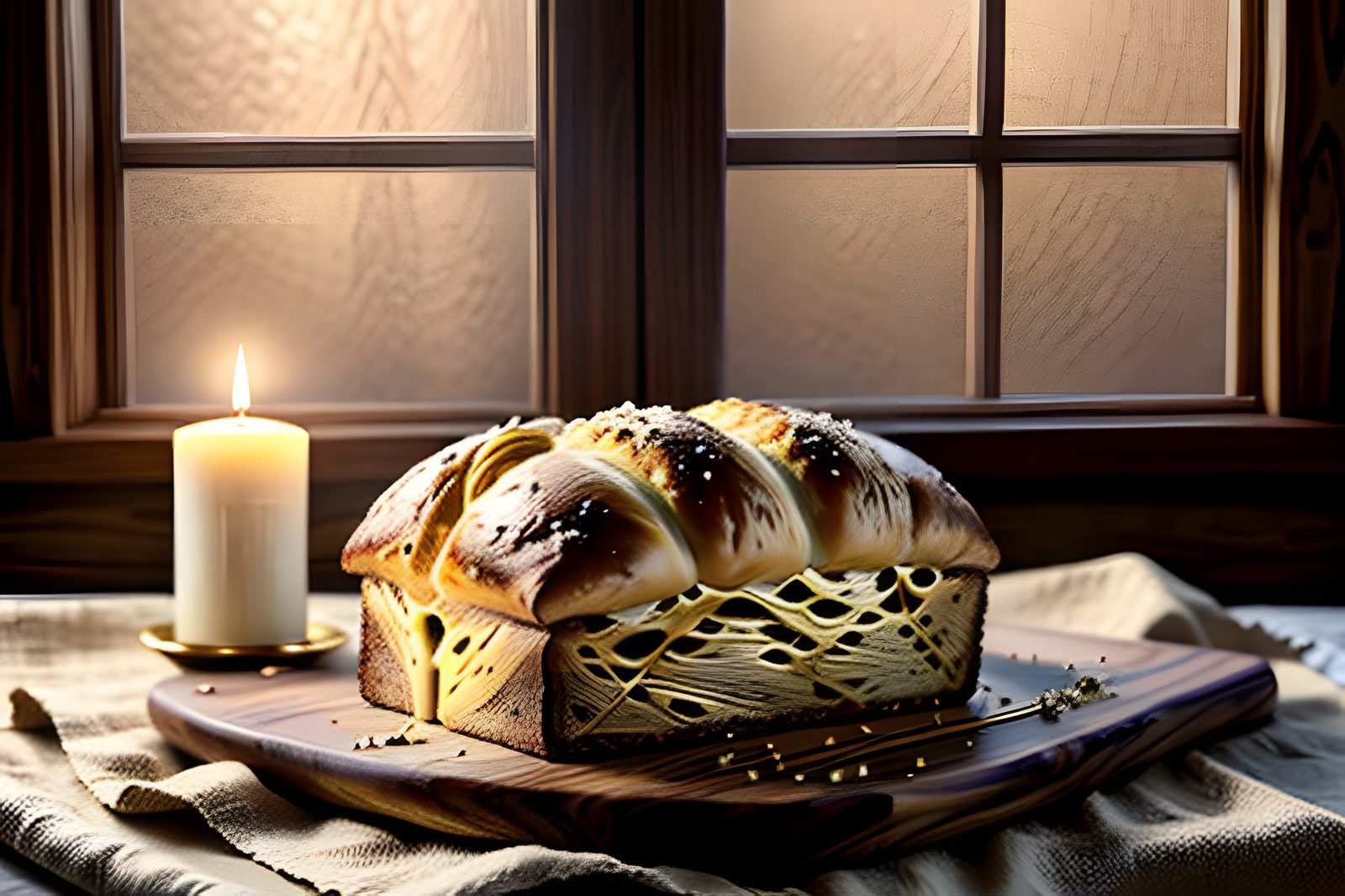
An olivewood challah board is more than a serving surface; it is a piece of heritage that carries the scent of Shabbat meals and the warmth of family gatherings. Because olivewood is dense, naturally antibacterial, and graced with distinctive grain, it deserves thoughtful care to keep its beauty intact for generations. Proper olivewood challah board care is simple when you know the right steps, and it honors the craftsmanship that went into each board. Below, we walk through the essential practices that protect your board while honoring its tradition.
Why Olivewood Makes a Special Challah Board
Olivewood is prized for its tight grain, rich honey‑toned hues, and natural resistance to bacteria. Unlike softer woods, it withstands the pressure of cutting and the moisture of dough without warping quickly. The wood’s subtle aroma adds a quiet note to the challah, enhancing the sensory experience of the table. Because each board is harvested from slow‑growing Mediterranean olives, no two pieces share exactly the same pattern, making your board a unique heirloom. Recognizing these qualities helps you appreciate why gentle, consistent care is worth the effort.
Daily Care: Cleaning After Use
After each Shabbat or holiday meal, wipe away crumbs with a soft, dry cloth. If the board feels sticky, wash it by hand using lukewarm water and a drop of mild dish soap—never submerge it or run it through a dishwasher. Use a non‑abrasive sponge or cloth, cleaning with the grain to avoid scratches. Rinse quickly, then pat dry immediately with a clean towel. Allow the board to air‑finish standing upright or on a rack for a few minutes before storing. This routine prevents moisture buildup that can lead to cracking or mildew.
Deep Conditioning: Nourishing the Wood
Every three to four weeks, or when the wood looks dull, apply a food‑safe mineral oil or a blend of beeswax and mineral oil. Warm a small amount in your hands, then rub it onto the board using a soft cloth, working with the grain until the wood looks saturated. Let the oil absorb for at least an hour, preferably overnight, then wipe off any excess with a clean cloth. This replenishes the wood’s natural oils, enhances the grain’s depth, and creates a protective barrier against moisture and stains.
Storing Your Board for Longevity
Store your challah board flat in a cool, dry place away from direct sunlight, stovetops, or heating vents. If you must stack it, place a soft cloth or paper towel between boards to prevent scratching. Avoid damp basements or overly dry attics; both extremes can cause the wood to swell or shrink. For long‑term storage, consider slipping the board into a breathable cotton bag that shields it from dust while allowing air circulation. Proper storage keeps the board stable and ready for the next celebration.
Handling Stains and Odors
For light stains, sprinkle coarse salt on the affected area and rub gently with a half‑lemon; the acid lifts discoloration while the salt acts as a mild abrasive. Rinse and dry as usual. Persistent odors can be neutralized by rubbing the surface with a paste of baking soda and water, then wiping clean. If a stubborn spot remains, repeat the oil conditioning step after cleaning to restore the board’s finish. Never use harsh chemicals or bleach, as they strip the wood’s natural protective layer.
FAQ: Olivewood Challah Board Care
How often should I oil my board?
Every three to four weeks, or whenever the wood looks dry or feels rough to the touch.
Can I use olive oil for conditioning?
It’s best to use food‑grade mineral oil or a beeswax blend; olive oil can turn rancid over time.
Is it safe to cut directly on the board?
Yes, the dense surface tolerates light cutting, but using a separate cutting board for heavy chopping preserves the challah board’s finish.
What if the board develops a small crack?
Minor hairline cracks can be slowed with regular oiling; avoid soaking the board and keep it stored flat to prevent worsening.
May I place hot dishes on the board?
Allow hot pots to cool slightly before setting them down; extreme heat can cause the wood to split over time.
Caring for your olivewood challah board is an act of reverence for the craft and the tradition it represents. By following these simple steps, you’ll ensure that each Shabbat loaf rests on a surface that remains beautiful, fragrant, and ready to become part of your family’s story for years to come. To explore our selection of artisan olivewood challah boards and other heritage pieces, please visit the Anatevka shop.